This company has no active jobs
0 Review
Rate This Company ( No reviews yet )

Oven
(0)About Us
You’ll Never Be Able To Figure Out This Hob And Oven’s Tricks
Understanding Cooker Hobs and Ovens: A Comprehensive Guide
In contemporary cooking areas, cooker hobs and ovens are essential appliances that specify cooking practices and preferences. Choosing the right combination of these gadgets can significantly improve culinary experience, improve performance, and even raise home aesthetics. This post will explore various elements of cooker hobs and ovens, shedding light on types, functions, advantages, and upkeep ideas, while also dealing with common inquiries.
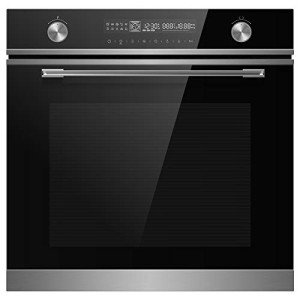
Types of Cooker Hobs
Cooker hobs are available in various types, each with distinct features dealing with various cooking designs. Here’s an overview of the most typical types:
| Type | Description | Pros | Cons |
|---|---|---|---|
| Gas Hob | Utilizes gas burners for heating; offers instant temperature control. | Instant heat and excellent control. | Needs a gas connection; might be less safe. |
| Electric Hob | Operates utilizing electric coils or smooth surface; warms up slowly. | Even heat circulation; easy to tidy. | Takes longer to warm up; less control. |
| Induction Hob | Uses magnetic fields to heat pots straight, making it energy efficient. | Quick cooking; energy-efficient. | Requires suitable cookware; more pricey. |
| Halogen Hob | Uses halogen bulbs for instant heat; offers instantaneous temperature modification. | Incredibly quickly heating; visible heat. | Takes in more power; may not uniformly heat. |
Picking the Right Hob
When picking a hob, consider the following aspects:
- Cooking Style: Do you choose the precision of gas, the convenience of electric, or the efficiency of induction?
- Cookware Compatibility: Ensure your pots and pans are compatible with the kind of hob.
- Kitchen Layout: Space and design often dictate the sort of hob that fits your kitchen.
Types of Ovens
Also, ovens have progressed considerably, offering numerous cooking techniques that can complement specific culinary styles. Here are the prevalent kinds of ovens:
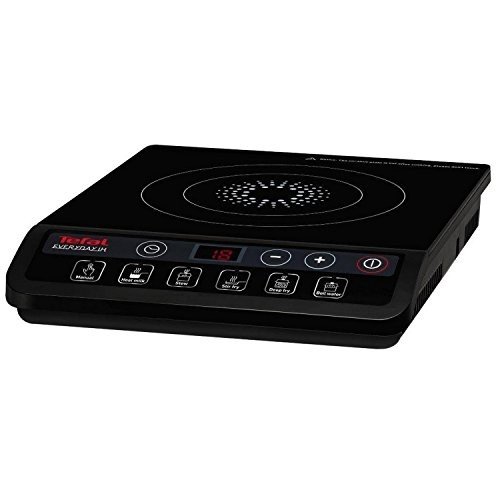
| Type | Description | Pros | Cons |
|---|---|---|---|
| Standard Oven | Standard baking oven that uses electric or gas heat from the top and bottom. | Versatile; helpful for baking. | Longer preheat and cooking times. |
| Stove | Uses a fan to circulate hot air, permitting even cooking and much faster baking times. Distributes heat uniformly. | Faster cooking; even browning. | A little more pricey; might dry food out. |
| Steam Oven | Cooks food utilizing steam, maintaining nutrients and moisture. | Much healthier cooking; retains food flavor. | Takes longer to cook; more pricey. |
| Microwave | Uses electro-magnetic radiation to heat food rapidly. | Instantaneous cooking; suitable for reheating. | Minimal cooking techniques; may affect texture. |
Choosing the Perfect Oven
When choosing an oven, keep these factors in mind:
- Cooking Habits: Are you a regular baker or most likely to reheat leftovers?
- Area Requirements: What are the measurements of your kitchen?
- Budget: Consider not simply the purchase price however also energy efficiency in time.
The Importance of Cooker Hobs and Ovens in Cooking
The right mix of cooker hob and oven can improve cooking skills, allowing food lovers to experiment and produce a wide variety of dishes. Here are a few reasons why these home appliances are crucial:
- Efficiency: Modern hobs and ovens included features that enhance cooking times and energy use.
- Versatility: Different cooking methods (bake, grill, roast, steam, and so on) broaden the series of dishes one can prepare.
- Visual Appeal: Stylish designs can raise the overall appearance of a kitchen, making it both functional and inviting.
Regularly Asked Questions (FAQs)
1. What maintenance do cooker hobs and ovens need?
- Routine cleansing after use to prevent buildup.
- Periodic look for gas leakages (for gas hobs).
- Guaranteeing the electrical connections are secure.
2. Can I utilize any pots and pans on an induction hob?
No, induction hobs require ferrous cookware (i.e., magnetic) to work. This indicates stainless-steel and cast iron work, while glass and aluminum pots might not.
3. How do I determine the right size oven for my kitchen?
Measure your readily available space and consider the volume of cooking you generally carry out. Standard ovens vary in size, and bigger models normally have extra functions.
4. Are convection ovens better than traditional ovens?
It depends on personal choice. Convection ovens provide faster and more even cooking but may not be perfect for all baking dishes, particularly those requiring particular temperatures.
5. What is the average life expectancy of a cooking hob and oven?
With appropriate care, both hobs and ovens can last anywhere from 10 to 20 years, depending upon frequency of use and upkeep.
Picking the best cooker hob and oven not just enhances the cooking procedure however can also redefine one’s culinary experience. Comprehending the different types, their advantages, and upkeep will empower customers to make educated choices, guaranteeing that their kitchen is geared up to handle meals from the simplest to the most elaborate. Understanding about the capabilities of these necessary appliances permits cooking imagination and efficiency, eventually resulting in a more pleasurable cooking journey.