This company has no active jobs
0 Review
Rate This Company ( No reviews yet )

Window And Door Replacement
(0)About Us
Where Do You Think Exterior Doors And Windows Be 1 Year From Right Now?
The Gatekeepers and Glares: Understanding Exterior Doors and Windows for Your Home
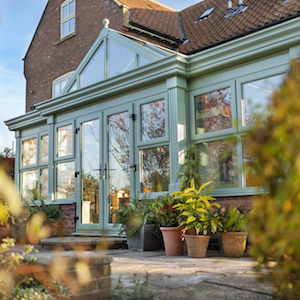
Exterior doors and windows are more than simply entrances and openings; they are the gatekeepers and the glaziers of your home. They stand as the first line of defense versus the elements, intruders, and energy loss, while concurrently framing your view of the world and contributing considerably to your home’s visual appeal. Picking the best exterior doors and windows is a vital investment that affects your home’s convenience, security, energy performance, and overall worth. This article looks into the world of outside doors and windows, checking out the various types, materials, and aspects to think about when making these essential selections for your property.
Outside Doors: Your Home’s Welcoming Hand and Firm Barrier
Outside doors are important components of any home, serving both practical and visual purposes. They are the primary points of access, developing a welcoming entrance while providing vital security and insulation. Comprehending the various kinds of outside doors is the primary step in making a notified choice.
Exterior doors can be broadly classified based upon their product and design:
Types of Exterior Doors by Material:
- Wood Doors: Classic and stunning, wood doors provide a timeless appeal and can be customized with numerous discolorations and paints. They supply good insulation but require routine maintenance to protect them from weather damage, consisting of painting or staining. Hardwood types like oak, mahogany, and maple are popular for their sturdiness and appeal.
- Fiberglass Doors: These doors are known for their resilience, energy effectiveness, and low maintenance. They can be manufactured to imitate the look of wood, using the aesthetic appeal without the upkeep. Fiberglass is resistant to damages, scratches, and weather damage, making them a long-lasting alternative.
- Steel Doors: Steel doors are the most protected alternative, providing superior strength and resistance to forced entry. They likewise provide excellent insulation, especially when filled with foam core. Modern steel doors frequently feature a wood-grain texture for a more appealing look and are generally pre-painted, minimizing upkeep.
- Composite Doors: Combining the best functions of different products, composite doors frequently feature a strong core, a fiberglass or wood veneer, and a resilient external skin. They are extremely energy-efficient, safe, and require minimal maintenance, providing a well balanced efficiency profile.
Types of Exterior Doors by Style:
- Entry Doors: These are the primary front doors developed to make a statement. They can be found in a range of designs, including single doors, double doors, and doors with sidelights or transoms. Entry doors prioritize visual appeals, security, and energy effectiveness.
- Patio Doors: Designed to supply access to patio areas, decks, or backyards, patio area doors are frequently larger and feature more glass than entry doors. Common types include moving glass doors and hinged French doors. Outdoor patio doors are chosen for their ability to take full advantage of natural light and outside views while providing easy gain access to.
- Storm Doors: Installed in front of entry doors, storm doors use an extra layer of protection versus extreme weather condition conditions like rain, snow, and wind. They likewise enhance insulation and can offer ventilation with built-in screens.
- Security Doors: Primarily focused on security, security doors are constructed with enhanced steel or other robust materials and feature enhanced locking mechanisms. They are created to deter burglars and provide optimal protection for your home.
Exterior Windows: Framing Views and Controlling Light
Outside windows are equally necessary, functioning as websites to natural light, ventilation, and views of the outdoors world. They play a vital function in regulating your home’s temperature, affecting energy consumption and convenience levels. Understanding the various types of windows and their features is essential for choosing the very best choices for your requirements.
Like doors, windows can be categorized by material and operation style:
Types of Exterior Windows by Material:
- Vinyl Windows: Vinyl windows are a popular option due to their cost, energy performance, and low maintenance. They are resistant to rot, warping, and fading, and come in a variety of colors and styles. Vinyl windows are a cost-effective and durable option for numerous homes.
- Wood Windows: Wood windows offer traditional beauty and exceptional insulation. They can be custom-made and stained or painted to match any decoration. Nevertheless, wood windows need routine upkeep to prevent rot and decay, especially in damp environments.
- Aluminum Windows: Known for their strength and resilience, aluminum windows are often used in contemporary and contemporary styles. They are low-maintenance and resistant to corrosion. However, aluminum is not as energy-efficient as other materials, though thermal breaks can improve their insulation properties.
- Fiberglass Windows: Fiberglass windows are highly resilient, energy-efficient, and low-maintenance, similar to fiberglass doors. They withstand warping, breaking, and fading, and deal exceptional insulation. Fiberglass can imitate the look of wood and is a premium option for lasting efficiency.
- Composite Windows: Combining materials like wood fibers and polymers, composite windows use a balance of strength, insulation, and resilience. They are resistant to moisture and bugs and need very little upkeep, making them a versatile option.
Kinds Of Exterior Windows by Operation:
- Double-Hung Windows: A timeless and flexible design, double-hung windows have 2 sashes that move vertically. They provide great ventilation from both the top and bottom and are simple to clean.
- Casement Windows: Hinged at the side and crank open outward, casement windows offer outstanding ventilation and a tight seal when closed, improving energy performance. They supply unblocked views and are typically coupled with image windows.
- Awning Windows: Hinged on top and open external from the bottom, awning windows are perfect for ventilation even throughout light rain. They are frequently put higher on walls or utilized in basements.
- Moving Windows: Sliding windows have sashes that move horizontally, making them easy to operate and suitable for areas where outward swinging windows are not useful. They offer great ventilation and are basic in style.
- Image Windows: Large, fixed windows that do closed, photo windows are created to maximize views and natural light. They are highly energy-efficient due to their absence of operable parts.
- Bay and Bow Windows: These windows project outward from your home, producing a nook and adding architectural interest. Bay windows generally have 3 areas, while bow windows have four or more, creating a curved appearance. They boost views, light, and interior space.
Selecting the Right Doors and Windows: Key Considerations
Picking the best exterior windows and doors involves considering numerous crucial elements to guarantee they fulfill your needs and choices:
- Energy Efficiency: Look for doors and windows with great energy efficiency rankings, such as U-factor (procedures heat loss) and Solar Heat Gain Coefficient (SHGC) (measures solar heat gain). Energy Star licensed products fulfill particular energy efficiency criteria and can substantially decrease your energy costs. Double or triple-pane glass, low-E finishes, and insulated frames all add to better energy efficiency.
- Security: Prioritize security features, specifically for entry doors and ground-floor windows. Try to find strong core doors, reinforced frames, multi-point locking systems, and impact-resistant glass. For windows, consider locking systems and strengthened frames.
- Aesthetics: Doors and windows play a substantial function in your house’s curb appeal. Select designs, materials, and colors that match your home’s architectural style and your individual taste. Think about the general appearance you wish to attain, from conventional to contemporary.
- Spending plan: Set a budget plan for your door and window replacement or installation project. Think about both the initial cost and the long-term advantages, such as energy savings and increased home value. Various products and designs come at differing rate points.
- Maintenance: Evaluate the upkeep requirements of different materials. If you choose low maintenance, fiberglass, vinyl, or steel are excellent choices. Wood requires more regular upkeep, such as painting or staining.
- Climate: Consider your local climate when choosing doors and windows. In extreme climates, focus on weather resistance, insulation, and durability. Coastal areas might need materials resistant to salt air and moisture.
Installation and Maintenance for Longevity
Correct setup is just as essential as selecting the right windows and doors. Expert installation makes sure proper fitting, sealing, and operation, maximizing energy performance and preventing future issues. Improperly installed doors and windows can lead to drafts, leaks, and reduced security.
Regular maintenance is important to prolong the life of your outside windows and doors and keep them operating efficiently. Fundamental maintenance consists of:
- Regular Cleaning: Clean windows and door surface areas routinely to remove dirt, debris, and mildew. Usage mild soap and water for a lot of products.
- Lubrication: Lubricate hinges, locks, and tracks on windows and doors to guarantee smooth operation.
- Weather Stripping Inspection: Check weather condition stripping around doors and windows regularly and replace it when it becomes worn or harmed to keep airtight seals and energy performance.
- Painting/Staining (for Wood): For wood doors and windows, repaint or restain them regularly to safeguard them from weather condition damage and preserve their appearance.
The Lasting Benefits of Quality Doors and Windows
Buying quality outside windows and doors uses a wide variety of benefits that extend beyond aesthetics:
- Enhanced Energy Efficiency and Lower Energy Bills: Energy-efficient doors and windows reduce heat loss in winter and heat gain in summer season, causing considerable energy savings and lower energy costs.
- Improved Home Security: Strong, protected doors and windows supply assurance and secure your home and family from burglars.
- Increased Home Value and Curb Appeal: New, elegant windows and doors can significantly boost your home’s curb appeal and increase its general market price.
- Enhanced Comfort and Noise Reduction: Well-insulated doors and windows add to a more comfortable indoor environment by decreasing drafts and reducing outside sound.
Conclusion:
Exterior doors and windows are crucial financial investments that impact every facet of your home. By comprehending the various types, products, and elements to consider, you can make educated decisions that boost your home’s beauty, security, energy performance, and comfort for many years to come. Picking carefully and maintaining them effectively guarantees these essential parts serve their function efficiently, functioning as both welcoming gateways and steadfast guardians of your living area.
Regularly Asked Questions (FAQs) about Exterior Doors and Windows
Q1: How long do exterior windows and doors generally last?A: The lifespan of outside doors and windows varies depending upon the product and quality of setup. Usually, wood windows can last 20-30 years, vinyl windows 20-40 years, fiberglass windows 30-50 years, and steel doors 30+ years. Proper upkeep can extend their life expectancy.
Q2: What are the signs that I need to replace my exterior windows and doors?A: Common indications consist of:* Drafts around windows and doors.* Condensation between window panes.* Difficulty opening or closing windows and doors.* Visible rot or damage to frames and sashes.* Increasing energy costs.* Outdated look.
Q3: Is it better to replace all my windows and doors simultaneously, or can I do it in phases?A: Replacing all doors and windows at once can be more cost-effective in regards to labor and possible bulk discounts. However, you can replace them in stages based on your budget and concern. Focus on the most troublesome or energy-inefficient units first.
Q4: Should I choose double-pane or triple-pane windows for energy effectiveness?A: Triple-pane windows are typically more energy-efficient than double-pane windows, specifically in colder environments, offering better insulation and noise reduction. However, they are also more costly. Double-pane windows with low-E finishings are typically an excellent balance of performance and expense. Consider your climate and budget plan to make the finest option.
Q5: Can I set up outside doors and windows myself, or should I employ an expert?A: While some knowledgeable DIYers may try window or door setup, it is typically suggested to employ professional installers. Appropriate setup is crucial for efficiency, energy effectiveness, and guarantee validity. Experts have the proficiency and tools to guarantee right setup and sealing, avoiding future issues.
Q6: What is the most energy-efficient kind of outside door?A: Fiberglass and steel doors with insulated cores are usually thought about the most energy-efficient exterior door options. They use exceptional insulation and airtight seals, decreasing heat loss and gain.
Q7: How can I enhance the security of my existing exterior doors and windows without changing them?A: You can enhance security by:* Upgrading door locks to high-security choices.* Installing a reinforced strike plate on door frames.* Adding a peephole or wise doorbell.* Using security movie on windows to make them more shatter-resistant.* Installing window locks or security bars.
Q8: What are low-E finishings on windows, and why are they essential?A: Low-E (low emissivity) coatings are thin, transparent finishings used to window glass to minimize heat transfer. They show infrared and UV light, improving energy performance by keeping heat inside in winter season and outside in summertime. Low-E finishings likewise assist to reduce fading of interior home furnishings.
Q9: How often should I examine and preserve my exterior windows and doors?A: It’s recommended to check your outside doors and windows a minimum of twice a year, ideally in the spring and fall, and after extreme weather occasions. Regular cleaning and lubrication need to be done more frequently, as needed.
Q10: Are there any government rewards or refunds for setting up energy-efficient windows and doors?A: Yes, in many regions, there are government rewards, tax credits, or rebates available for house owners who set up energy-efficient windows and doors. Consult your local and national energy efficiency programs for present offerings and eligibility requirements.