This company has no active jobs
0 Review
Rate This Company ( No reviews yet )
About Us
See What Walking Aids Tricks The Celebs Are Utilizing
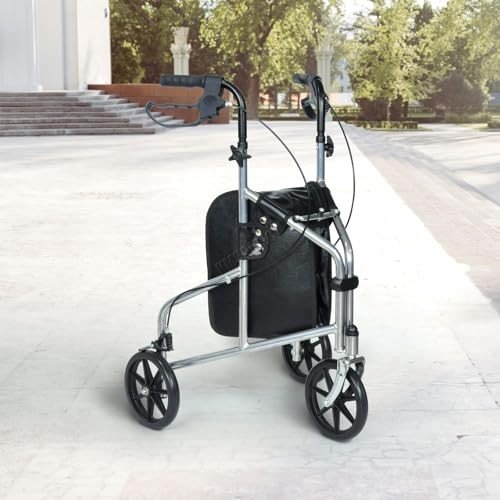
Walking Aids: Enhancing Mobility and Independence
Walking aids are important tools developed to assist people with mobility difficulties, enabling them to move easily and easily. These devices can significantly improve autonomy, enhance posture, reduce the threat of falls, and boost overall quality of life. This post looks into different kinds of walking aids, their benefits, factors to consider for use, and pointers for choosing the ideal aid. Additionally, a comprehensive FAQ section addresses typical questions about walking aids.
Types of Walking Aids
Walking aids can be found in different kinds to deal with various requirements and preferences. Below is a classified list of the most commonly used walking aids:
1. Walking canes
- Standard Canes: A single straight walking cane for basic support.
- Quad Canes: Canes with a four-pronged base for increased stability.
2. Walkers
- Requirement Walkers: Frame-like devices that supply assistance on all sides, great for those with minimal strength.
- Rolling Walkers (Rollators): Equipped with wheels, these enable users to stroll with less effort and feature seats for resting.
3. Crutches
- Axillary Crutches: Used under the arms; appropriate for momentary mobility issues.
- Lower Arm Crutches (Lofstrand Crutches): Designed for long-lasting use, they need grip strength and are lighter than axillary crutches.
4. Wheelchairs
- Manual Wheelchairs: Require user effort to move, offering flexibility and self-reliance.
- Electric Wheelchairs: Battery-powered alternatives appropriate for users with limited arm strength.
Benefits of Walking Aids
Walking Aids; go to www.spairkorea.co.kr, offer numerous benefits that add to enhanced mobility, safety, and self-reliance. Some essential benefits include:
- Increased Stability: Walking aids provide additional points of contact with the ground, reducing the threat of falls.
- Enhanced Mobility: They allow motion over higher distances, enabling people to engage in social activities and everyday tasks.
- Discomfort Reduction: Properly fitted walking aids can relieve pressure on joints and lower pain associated with different medical conditions.
- Improved Confidence: Using a walking aid can enhance an individual’s confidence, motivating them to explore their environment without fear.
- Posture Support: Aids help preserve appropriate positioning and posture, lowering pressure on the back and hips.
Considerations When Choosing Walking Aids
Selecting the right walking aid is vital for safety and effectiveness. Here are some factors to consider:
1. Individual Needs
- Evaluate the level of help required for mobility.
- Think about whether short-term or long-lasting assistance is essential.
2. Environment
- Assess the surface and surfaces (indoor vs. outdoor) where the aid will be used.
- Ensure that the walking aid appropriates for stairs, ramps, or uneven surfaces.
3. Weight and Portability
- Evaluate the weight of the walking aid and if it can be carried easily.
- Lightweight choices are more effective for those who may require to lift or stow the aid often.
4. Convenience and Fit
- Ensure the walking aid is adjustable and fits the user’s height.
- Think about grips, armrests, or seats that provide comfort for extended use.
5. Budget plan
- Identify a budget for the walking aid while thinking about the quality and features essential for the user’s safety and convenience.
Frequently Asked Questions About Walking Aids
1. Who should use walking aids?
Walking aids are ideal for individuals recuperating from surgery, those with chronic pain, seniors experiencing balance concerns, or anyone with a mobility obstacle.
2. How do I choose the ideal height for a walking aid?
When standing straight with good posture, the top of the walking cane or walker must line up with the wrist bone. A healthcare specialist can provide guidance during fitting.
3. Can I use a walker on stairs?
While it’s normally not safe to use a walker on stairs, some walkers are designed specifically for stairs with features that improve stability. Constantly speak with a physiotherapist for individualized guidance.
4. How can I maintain my walking aid?
Routinely look for loose parts, wear and tear, and clean the device according to the manufacturer’s guidelines to make sure safety and longevity.
5. Do walking aids assist with balance?
Yes, walking aids can offer the essential assistance and stability, assisting to avoid falls and assist with well balanced motion.
Walking aids are important devices that empower people with mobility difficulties to maintain self-reliance and improve their lifestyle. By comprehending the various kinds of walking aids, their benefits, and important factors to consider for choice, users can make informed decisions tailored to their needs. Whether for short-lived assistance or long-term use, the best walking aid can change everyday routines and boost overall well-being.
| Kind Of Walking Aid | Functions | Best For |
|---|---|---|
| Walking sticks | Single or quad bases | Moderate support |
| Walkers | Repaired or rolling alternatives | Lower body weak point |
| Crutches | Axillary or lower arm designs | Short-term mobility problems |
| Wheelchairs | Manual and electrical choices | Serious mobility constraints |
Accepting the right walking aid can result in newly found liberty and a more active way of life, fostering self-reliance and social engagement. As always, consultations with healthcare professionals can supply individualized suggestions to ensure safety and efficiency in utilizing walking aids.