This company has no active jobs
0 Review
Rate This Company ( No reviews yet )

Vacuum Mop UK
(0)About Us
The 10 Most Scariest Things About Auto Hoover Robot
The Rise of the Robots: Exploring the World of Auto Hoover Robots
In today’s hectic world, where time is a valuable commodity, the desire for benefit and performance in family jobs is ever-increasing. Amongst the myriad of smart home gadgets competing for our attention, the auto hoover best robot vacuum cleaners uk, or robotic vacuum cleaners uk vacuum cleaner, has emerged as a genuinely transformative home appliance. These smart cleaning buddies are no longer a futuristic novelty, however a practical service for maintaining clean floorings with very little effort. This post explores the world of auto hoover robots, exploring their performance, advantages, key functions to think about, and how they are improving the way we approach home cleaning.
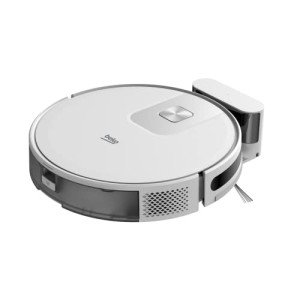
An auto hoover robot, at its core, is an autonomous, self-propelled vacuum cleaner designed to browse and tidy floors without direct human control. Frequently referred to as robot vacuums, these devices are equipped with advanced sensing units and navigation systems that permit them to wisely map spaces, prevent barriers, and efficiently tidy different floor types. Unlike traditional vacuum that need manual operation, auto hoover robots operate individually, releasing up valuable time for homeowners to concentrate on other jobs or just unwind.
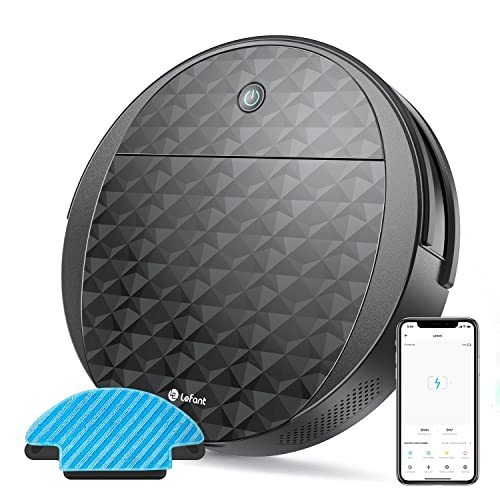
Exactly what is an Auto Hoover Robot?
To understand the appeal of auto hoover robots, it’s crucial to grasp what they are and how they operate. Basically, an auto hoover Best robot vacuum and mop UK is a compact, disc-shaped home appliance packed with innovation. The essential elements that allow their autonomous operation include:
- Sensors: A network of sensors is crucial for navigation. These can consist of:
- Bump Sensors: Detect collisions with challenges, prompting the robot to change direction.
- Cliff Sensors: Prevent the robot from falling down stairs or edges.
- Wall Sensors: Allow the robot to follow walls and tidy edges effectively.
- Optical Sensors and Cameras: Used in more innovative designs for visual mapping and navigation, helping the robot understand its environments with greater precision.
- Infrared Sensors: Detect barriers and assist with docking to the charging station.
- Navigation Systems: The “brain” of the robot, these systems determine the cleaning course and guarantee effective coverage. Common navigation methods include:
- Random Bounce: Basic models move randomly, changing direction when coming across barriers.
- Systematic Navigation: More sophisticated designs use algorithms, often including mapping innovation, to clean up in arranged patterns (like rows or grids) for thorough coverage.
- Lidar (Light Detection and Ranging): Uses lasers to create comprehensive maps of the home, enabling extremely effective and methodical cleaning courses.
- Visual SLAM (Simultaneous Localization and Mapping): Utilizes cameras to visually map the environment, typically integrated with other sensor data for improved navigation.
- Cleaning System: This usually makes up:
- Brushes: Rotating brushes, frequently side brushes and a primary brush roll, loosen dirt and particles from the floor.
- Suction Motor: Creates suction to lift dirt and dust into the dustbin.
- Filter System: Traps dust and irritants, often including HEPA filters for enhanced air quality.
- Battery and Charging System: Powered by rechargeable batteries, auto hoover robotics instantly go back to their charging dock when battery levels are low, ensuring they are always ready for the next cleaning cycle.
The Benefits of Embracing Auto Hoover Robots:
The appeal of auto hoover robotics comes from the many benefits they use to house owners. These advantages extend beyond mere convenience and contribute to a cleaner, healthier, and more effective living environment.
Here are some essential advantages:
- Time-Saving Convenience: This is maybe the most substantial benefit. Auto hoover robotics clean floorings automatically, freeing up valuable time that would otherwise be spent vacuuming. You can set cleaning schedules and let the robot do its work while you are at work, running errands, or just relaxing.
- Constant Cleaning: Auto hoover robots can be set to clean daily, ensuring regularly clean floorings and preventing the accumulation of dust and dirt. This is especially helpful for homes with family pets or allergies.
- Simple And Easy Cleaning in Hard-to-Reach Areas: Their low profile permits robot vacuums to quickly clean under furnishings, beds, and other restricted areas that are often tough to reach with standard vacuums.
- Improved Air Quality: Many auto hoover robots come geared up with HEPA filters that trap fine dust, allergens, and pet dander. Regular use can contribute to cleaner indoor air, which is particularly useful for allergy victims and those with breathing sensitivities.
- Smart Home Integration: Modern auto hoover robots frequently come with smart functions like Wi-Fi connection, smartphone app control, and voice assistant compatibility. This permits push-button control, scheduling, monitoring, and integration with other smart home devices.
- Reduced Physical Strain: For people with mobility problems or physical limitations, auto hoover robotics can considerably reduce the physical stress connected with standard vacuuming.
- Quiet Operation (in some models): While not all robot vacuums are quiet, numerous models operate at a significantly lower sound level than standard vacuums, making them less disruptive to life.
Choosing the Right Auto Hoover Robot: Key Features to Consider
With a large selection of auto hoover robots offered in the market, selecting the ideal one for your needs can feel frustrating. Comprehending the essential functions and considering your particular requirements is essential for making a notified choice.
Here are necessary features to examine:
- Navigation and Mapping Capabilities: Consider the kind of navigation system. For simple layouts, a random bounce or organized navigation system may suffice. For larger homes or complicated designs, designs with Lidar or visual SLAM offer exceptional coverage and effectiveness. Mapping functions also enable selective room cleaning and virtual borders.
- Suction Power: Different models provide differing levels of suction power. Residences with carpets or rugs, especially high-pile carpets, will benefit from robotics with more powerful suction to effectively eliminate embedded dirt and pet hair.
- Battery Life and Charging: Evaluate battery life based on the size of your home and cleaning needs. Think about charging time and whether the robot automatically goes back to its charging dock. Some models use quick charging or the capability to resume cleaning after charging.
- Brush Types and Cleaning System: Look at the brush types and configuration. Side brushes are important for edge cleaning, while the main brush roll is vital for upseting particles. Consider brush types developed for particular Automated Floor Cleaner types (e.g., soft brushes for difficult floors, stiffer brushes for carpets).
- Filter System and Allergen Control: If allergies or respiratory level of sensitivities are an issue, prioritize designs with HEPA filters. These filters trap a greater portion of great particles compared to standard filters.
- Smart Features and Connectivity: Determine if functions like Wi-Fi connectivity, app control, scheduling, voice assistant integration, and room mapping are necessary to you. These functions enhance benefit and modification.
- Mopping Functionality: Some auto hoover robots use a mopping function in addition to vacuuming. These hybrid designs can be practical for homes with difficult floors, however consider their mopping capabilities and limitations compared to dedicated mopping robots or manual mopping.
- Dustbin Capacity and Maintenance: Consider the dustbin size in relation to your home and cleaning frequency. Larger dustbins need less frequent emptying. Likewise, assess the ease of dustbin emptying, brush cleaning, and filter replacement, as regular upkeep is vital for optimum efficiency.
- Noise Level: Check the noise level score if quiet operation is a top priority, specifically for families with children, animals, or noise sensitivities.
- Pet Hair Handling: If you have family pets, look for designs specifically created for pet hair removal. These often feature tangle-free brush rolls, stronger suction, and bigger dustbins to efficiently manage pet fur.
- Spending plan: Auto hoover robots vary in rate from budget-friendly to high-end designs. Identify your budget plan and prioritize the features that are essential to you within that cost range.
Preserving Your Auto Hoover Robot for Longevity and Performance
To ensure your auto hoover robot runs effectively and lasts for years to come, regular upkeep is vital. Easy maintenance tasks can considerably extend the life expectancy and keep the cleaning efficiency of your robotic companion.
Here are key upkeep steps:
- Empty the Dustbin Regularly: This is the most vital maintenance job. Empty the dustbin after each cleaning cycle or as required to avoid it from ending up being full and preventing suction power.
- Tidy Brushes and Brush Roll: Regularly check and clean up the side brushes and main brush roll. Eliminate any twisted hair, threads, or debris that can build up and hinder their rotation.
- Change Filters as Recommended: Filters, particularly HEPA filters, require to be replaced occasionally according to the maker’s instructions. This guarantees optimal filtration and air quality.
- Tidy Sensors: Gently wipe the sensors with a soft, dry cloth to get rid of dust or debris that can impact navigation and barrier detection.
- Check and Clean Wheels: Ensure the wheels are totally free of particles and can rotate efficiently.
- Check for Wear and Tear: Periodically inspect for any indications of wear and tear on brushes, wheels, or other elements. Change parts as needed to preserve optimal efficiency.
- Battery Care: While auto hoover robots are created for automatic charging, avoid consistently draining pipes the battery entirely, as this can reduce its life expectancy. Follow the manufacturer’s recommendations for battery care.
Conclusion: Embrace the Future of Clean with Auto Hoover Robots
Auto hoover robots are transforming the landscape of home cleaning, providing a practical, efficient, and significantly advanced service for maintaining clean floors. From basic designs to advanced robotics with detailed mapping and smart home integration, there is an auto hoover robot to match every home and lifestyle. By understanding their features, benefits, and maintenance requirements, property owners can make educated choices and embrace the liberty and convenience that these smart cleaning companions provide. As technology continues to advance, auto hoover robotics are poised to become a much more indispensable part of the contemporary home, enabling us to recover our time and take pleasure in cleaner home with very little effort.
Regularly Asked Questions (FAQs) about Auto Hoover Robots
Q1: Are auto hoover robotics efficient on all floor types?A1: Most auto hoover robots are designed to deal with a variety of floor types, including hardwood, tile, laminate, and low-pile carpets. Nevertheless, performance on high-pile carpets may differ. Check product specifications for advised floor types and think about suction power for carpet cleaning.
Q2: Can auto hoover robots manage pet hair successfully?A2: Yes, many auto hoover robotics are particularly created for pet hair removal. Look for designs with features like tangle-free brush rolls, strong suction, and HEPA filters to effectively manage pet fur.
Q3: How long do auto hoover robot batteries generally last?A3: Battery life differs depending upon the design and use, however most robots use cleaning times varying from 60 to 120 minutes on a single charge. Advanced models with larger batteries can clean for longer periods.
Q4: Are auto hoover robotics loud?A4: Noise levels differ. Many designs operate at noise levels similar to or quieter than a typical conversation, making them less disruptive than standard vacuums. Check noise level rankings if quiet operation is an issue.
Q5: How often do I need to clear the dustbin and preserve the robot?A5: Empty the dustbin after each cleaning cycle or as required. Clean brushes and replace filters regularly according to the maker’s instructions, usually every couple of weeks or months, to maintain optimal efficiency.
Q6: Can auto hoover robots browse around furniture and challenges?A6: Yes, auto hoover robotics are geared up with sensors to spot and browse around furniture and barriers. Advanced designs with mapping innovation can learn the design of your home and clean more methodically.
Q7: Are auto hoover robotics expensive?A7: The price of auto hoover robots varies from affordable to high-end models. Rates depend on functions, navigation technology, brand name, and capabilities. There are choices available to suit numerous budgets.
Q8: Can I control my auto hoover robot remotely?A8: Many contemporary auto hoover robots with Wi-Fi connectivity can be controlled from another location by means of mobile phone apps. This permits scheduling, starting/stopping cleaning cycles, keeping an eye on development, and accessing other smart functions from anywhere.
Q9: Can auto hoover robots mop along with vacuum?A9: Some hybrid auto hoover robots use a mopping function. These models can be hassle-free for light mopping of difficult floors, but they might not replace dedicated mopping robots or manual mopping for deep cleaning.
Q10: What takes place if the auto hoover robot gets stuck?A10: Most auto hoover robots have barrier avoidance features and are designed to get themselves unstuck in numerous situations. Nevertheless, in unusual cases, they might get stuck. Some designs send notifications by means of app if they experience problems or need assistance. It’s advisable to clear clutter and wires from the floor to decrease the possibilities of getting stuck.