This company has no active jobs
0 Review
Rate This Company ( No reviews yet )
About Us
What’s The Job Market For Handicap Walker Professionals Like?
Understanding Handicap Walkers: Types, Benefits, and Usage
Handicap walkers, also typically called mobility walkers or merely walkers, function as essential aids for individuals with mobility difficulties. These gadgets provide physical assistance and stability, enabling users to stroll more confidently and independently. This short article looks into the various kinds of handicap walkers, their benefits, and crucial factors to consider when choosing one.
What is a Handicap Walker?
A handicap walker is a device designed to assist people who have difficulty walking due to age, illness, or disability. Walkers help users maintain their balance, prevent falls, and recuperate mobility. Unlike canes, which provide very little support, handicap walkers typically use a more comprehensive base of stability, making them appropriate for more substantial mobility difficulties.
Kinds Of Handicap Walkers
Handicap walkers can be found in numerous styles, created to satisfy the unique requirements of users. Below is a breakdown of the most common types:
| Type of Walker | Description | Suitable User |
|---|---|---|
| Standard Walker | A lightweight frame that requires lifting to move. Normally has rubber tips for traction. | Those who can lift the walker and have moderate balance concerns. |
| Wheeled Walker | Functions two wheels at the front, enabling simpler mobility without lifting. | Users who can maintain stability and require more assistance while walking. |
| Rollator Walker | Comparable to wheeled walkers but consists of hand brakes and a seat for resting. | People requiring a portable resting choice with enhanced mobility. |
| Bariatric Walker | Specifically created for much heavier individuals, using reinforced frames and bigger hand grips. | Much heavier users requiring additional assistance and stability. |
| Kid Walker | Custom-made models for kids to aid in their development and mobility. | Kids with developmental delays or mobility difficulties. |
Benefits of Using a Handicap Walker
Lots of users discover that handicap walkers substantially enhance their quality of life. Here are some benefits:
1. Increased Stability
Handicap walkers provide a sturdy support structure, which helps prevent falls and increases users’ self-confidence when moving.
2. Boosted Mobility
Walkers make it easier for individuals with mobility restrictions to browse stairs, irregular surface areas, and other tough environments.
3. Self-reliance
Utilizing a walker enables individuals to carry out everyday activities independently, whether it’s walking around your house or going shopping.
4. Discomfort Relief
Walkers enhance posture and disperse weight more uniformly, potentially alleviating discomfort in joints and muscles during motion.
5. Social Engagement
By assisting in mobility, walkers allow users to get involved more actively in gatherings, household events, and neighborhood activities, cultivating a sense of belonging.
Crucial Considerations When Choosing a Walker
Picking the right handicap walker is vital for ensuring safety and convenience. Below are key aspects to think about:
-
User’s Height: Walkers can be found in different heights. It’s necessary to pick one that permits the user to stand upright with a slight bend in the elbows when keeping the handles.
-
Weight Capacity: Assess the weight capability of the walker, especially for bariatric alternatives, to guarantee it fits the user’s requirements.
-
Mobility: If the walker will be utilized often in numerous places, think about designs that can be quickly folded or transferred, such as rollators.
-
Features: Some walkers consist of additional features like cushioned seats, storage baskets, and adjustable deals with. Examine which functions are most useful for the user.
-
User Preferences: The individual’s comfort and choices need to also play a substantial role in the selection. Evaluating various models may assist figure out the very best fit.
How to Use a Handicap Walker Effectively
Using a handicap walker correctly guarantees safety and optimizes its benefits. Follow these steps for safe use:
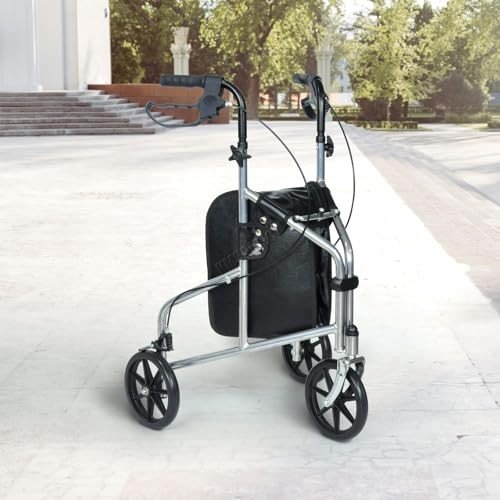
- Adjust the Height: Make sure the walker is adapted to the appropriate height for the user.
- Stabilize the Walker: Place the walker in front while making sure all 4 rubber ideas or wheels touch with the ground.
- Use Proper Techniques: Move the walker forward about one action length, and after that step into the walker while keeping the weight balanced.
- Keep Good Posture: Stand straight and use the walker for assistance, not leaning excessively on it.
- Practice Regularly: Encourage users to practice walking with the walker frequently, assisting to develop confidence and enhance balance.
Frequently Asked Questions (FAQs)
1. What is the difference between a standard walker and a rollator?
Requirement walkers need the user to raise them with each action, while rollators have wheels and enable the user to press them forward without lifting. Rollators likewise generally include brakes and may have a seat.
2. Are handicap walkers covered by insurance?
Coverage for handicap walkers can differ based on an individual’s insurance strategy. It is suggested to talk to the service provider for specific details regarding coverage and any essential documentation needed.
3. Can kids use handicap walkers?
Yes, there are walkers created specifically for children that accommodate their developmental needs. It’s necessary to pick a design that is age-appropriate and offers the essential assistance.
4. How do I keep my walker?
Routinely check the walker for wear and tear, consisting of the grips and wheels. Tidy the walker as required and ensure all components are functioning correctly for safety.
5. When is it time to stop utilizing a walker?
This varies by person. Users ought to seek advice from with their health care supplier to assess mobility enhancements and talk about whether transitioning to a various mobility aid or moving without assistance is suitable.
A Handicap Walker (simply click the up coming article) can be a transformative tool for individuals with mobility challenges, using them greater stability, independence, and boosted quality of life. By comprehending the numerous types, benefits, and essential factors to consider in picking a walker, people can make informed choices that line up with their distinct requirements and lifestyle. Whether for rehab, aging with dignity, or handling specials needs, handicap walkers play an important function in promoting mobility and well-being.